Locked Out? What to Do (and What Not to Do)
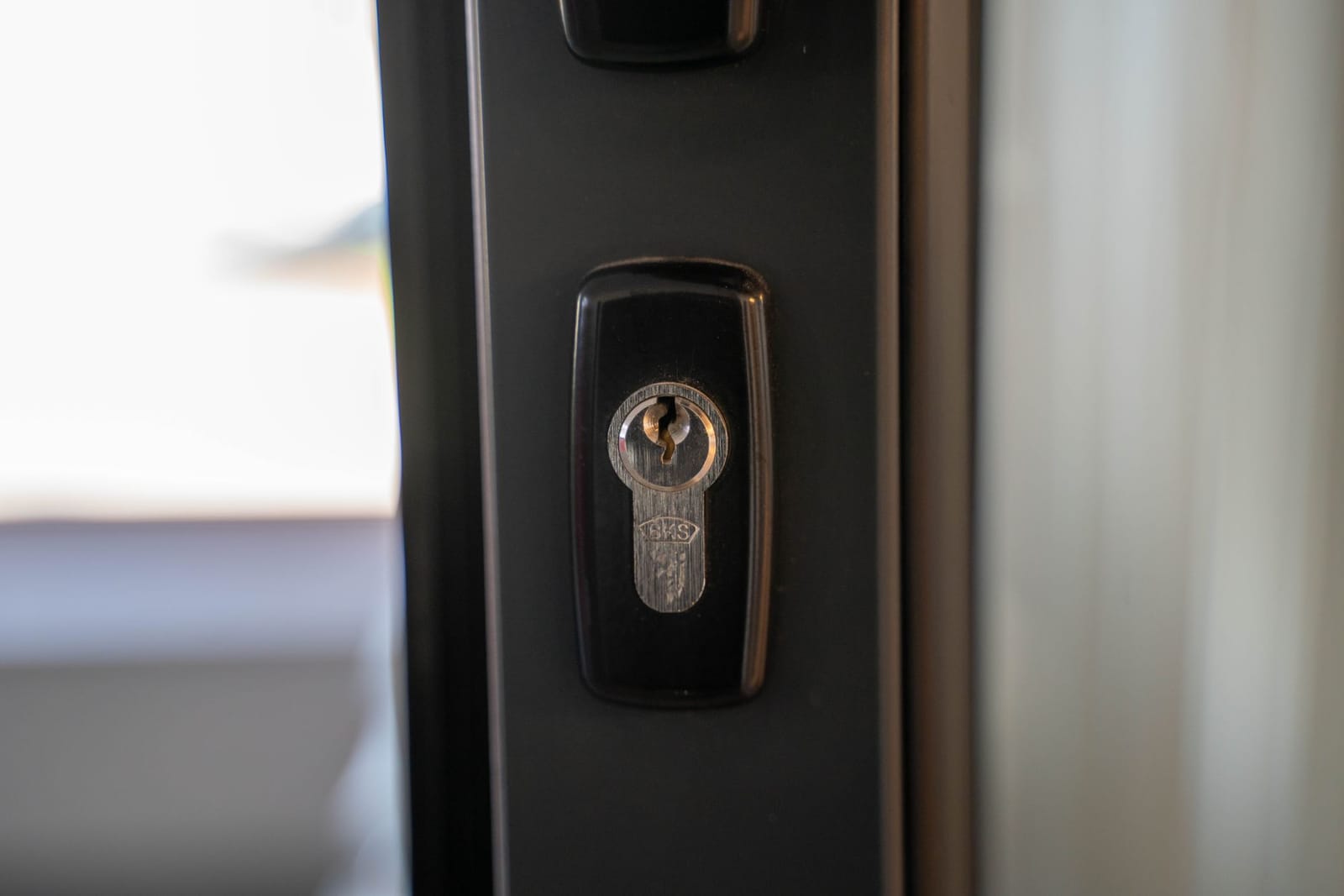
A lockout happens to almost everyone eventually. Whether you've left your keys inside your home, locked them in your car, or misplaced them entirely, that moment of panic is real. The good news is that you have options, and most of them don't involve breaking a window or damaging your lock. Before you act, take a breath and think through your situation carefully.
First, assess what you're locked out of. Are you outside your home, stuck in your car, or unable to access an office? Your next steps depend on the answer. If you're at home, check whether any doors or windows are unlocked—but do this safely and only on your own property. Never attempt to enter through a window if it means climbing, jumping, or risking injury. If you're locked out of your car, don't try to force the door or break the window. Modern vehicles have security systems that can be damaged by DIY entry attempts, and you could end up with a much bigger repair bill than a locksmith call.
Here's what not to do: avoid prying, jimmying, or forcing locks yourself. Even if you think you know how, you risk damaging the lock mechanism, the door frame, or both. If you use tools that aren't designed for lock work, you could crack the lock cylinder or strip internal components, making the lock unusable even after you get in. You might also accidentally trigger an alarm or security system. Breaking glass, kicking doors, or using a crowbar might feel like action, but it creates liability issues, security vulnerabilities, and expensive repairs.
Don't rely on social media advice or YouTube tutorials for lock picking or bypassing. What works in a video might not work on your specific lock, and you could damage it in the process. Similarly, avoid calling a handyman or general contractor for a lockout—they often lack the proper tools and training, and you're better served by someone who specializes in locks. Locksmiths carry the right equipment, understand different lock types, and know how to open doors without causing damage.
The smartest move is to call a licensed, bonded, and insured locksmith in the Greensboro area. A professional can typically arrive within a reasonable timeframe and open your door, car, or safe quickly and safely. When you call, be ready to provide proof of residency or ownership—a reputable locksmith will ask for ID before starting work. This protects both you and them. Ask about their pricing upfront; most locksmiths charge a service call fee plus labor, and rates vary depending on the time of day and complexity of the lock.
While you're waiting for help, stay in a safe location. If you're locked out of your car, don't leave valuables visible inside. If you're locked out of your home, wait in a public area or at a neighbor's house rather than sitting on your porch. Keep your phone charged and have your ID ready. Provide the locksmith with accurate information about your lock type if you know it—whether it's a deadbolt, keypad, smart lock, or something else.
Prevention is always easier than dealing with a lockout. Consider keeping a spare key with a trusted family member or friend, not hidden outside your home where someone could find it. If you rent, contact your landlord before calling a locksmith—they may have a key or prefer to handle it themselves. For your car, keep a spare key in your wallet or give one to someone you trust. Smart locks and keypad entry systems can also reduce lockout frequency, though they come with their own considerations.
When you do get locked out, remember that it's temporary and solvable. Calling a professional locksmith is the fastest, safest, and most cost-effective solution. They'll get you back inside without damage, and you'll have peace of mind knowing the work was done right. If you're in the Greensboro area and need help, reach out to Greensboro Locksmith Pros—we handle residential lockouts, vehicle lockouts, and commercial access issues with professionalism and care.
Dealing with this in the Triad? Call (743) 222-3411 for a free locksmith estimate.