Rekey vs. Replace: Which Do You Need After Moving In?
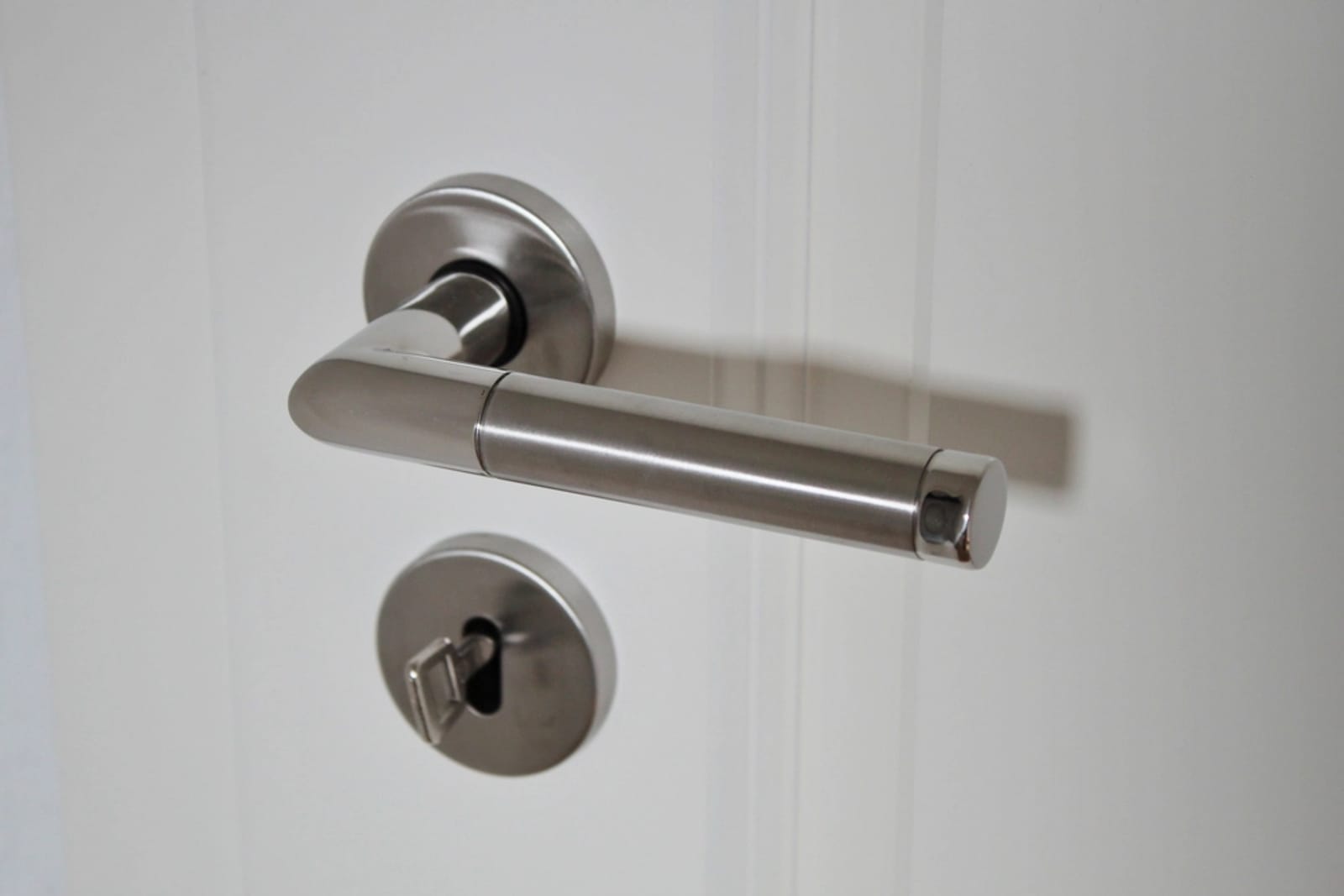
One of the first things smart homeowners do after moving in is address the locks. You don't know who has copies of the previous owner's keys—contractors, real estate agents, past tenants, or even someone who bought a key at a hardware store years ago. It's a legitimate security concern, and the good news is you have options. The two main paths are rekeying and replacing. Understanding the difference between them helps you make a decision that fits your budget, timeline, and security needs.
Rekeying is the process of changing the internal pins and springs inside your existing lock cylinder so that old keys no longer work. A locksmith removes the cylinder, takes out the old pins, and installs new ones that match a fresh key. The lock body itself stays in place on your door. This is usually the faster and more affordable option, especially if your current locks are in good condition and you like how they look or function. Rekeying typically costs less than replacement because you're keeping the hardware and only changing the internal mechanism.
Replacing means removing the entire lock—cylinder, body, and all—and installing a brand-new one. This makes sense if your locks are damaged, worn out, or simply outdated. Maybe the deadbolt is hard to turn, the handle is loose, or you want to upgrade to a higher-quality lock with better security features. Replacement also gives you the chance to change the style or finish to match your new home's aesthetic. If you're moving into an older house with original locks from decades ago, replacement might be the smarter long-term investment.
Here's a practical way to decide: inspect your current locks carefully. Do they work smoothly? Is the finish intact, or is it scratched and corroded? Do you like the style, or do they clash with your home's look? If the locks function well and you're happy with them, rekeying is usually the way to go. If they're sticky, loose, or you simply want an upgrade, replacement is worth the extra cost. Keep in mind that rekeying works best on pin-tumbler locks, which are standard in most residential doors. Some older or specialty locks may be better candidates for replacement.
Security-wise, both options accomplish the main goal: making sure old keys don't work anymore. However, if you're upgrading to a higher-security lock—one with anti-pick pins, reinforced strike plates, or smart lock capability—you'll need replacement. Some homeowners also choose to rekey their locks to a master-key system, especially if they have multiple doors. A licensed locksmith can help you think through whether a master-key setup makes sense for your home and how it affects your security.
Don't try to DIY this job, even if you're handy. Rekeying requires specialized tools and knowledge of lock mechanics. Getting it wrong means your new keys might not work reliably, or you could damage the lock entirely. A licensed, bonded, and insured locksmith has the right equipment and expertise to do it correctly the first time. When you call, ask about their experience with your specific lock brand and get a clear estimate before they start work.
One more thing to consider: timing. If you're closing on a home soon, schedule your lock service for right after you get the keys. Don't wait weeks to address this. The sooner you control who can access your home, the better you'll sleep. A local locksmith can often fit you in quickly, sometimes even same-day.
Moving into a new home is exciting, but security shouldn't be an afterthought. Whether you choose rekeying or replacement, the important thing is taking action. If you're in the Triad area and need help deciding what's best for your situation, contact Greensboro Locksmith Pros. Our licensed team can assess your locks, explain your options honestly, and handle the job professionally.
Dealing with this in the Triad? Call (743) 222-3411 for a free locksmith estimate.